
Foreign body coding pairs an ICD-10-CM code for where the object is with a CPT code for how it was removed. Foreign bodies entering through a natural orifice, such as the eye, ear, nose or airway, are coded in T15 to T19 with a seventh character for the encounter, while objects in the skin are coded as an open wound with foreign body. Removal is coded by site and complexity, for example 10120 or 10121 for subcutaneous tissue, 69200 for the ear canal and 30300 for the nose.
Medical Coding Foreign Body Guidelines and Practical Tips
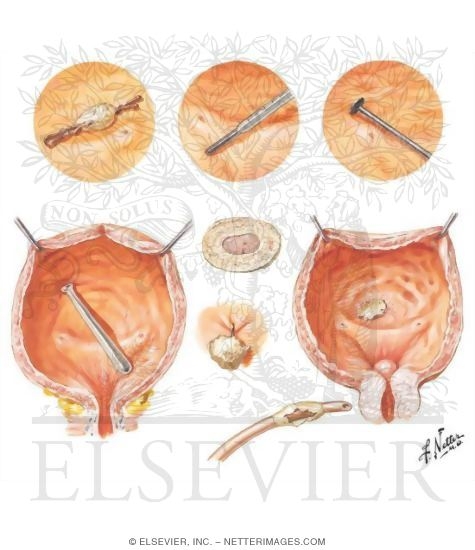
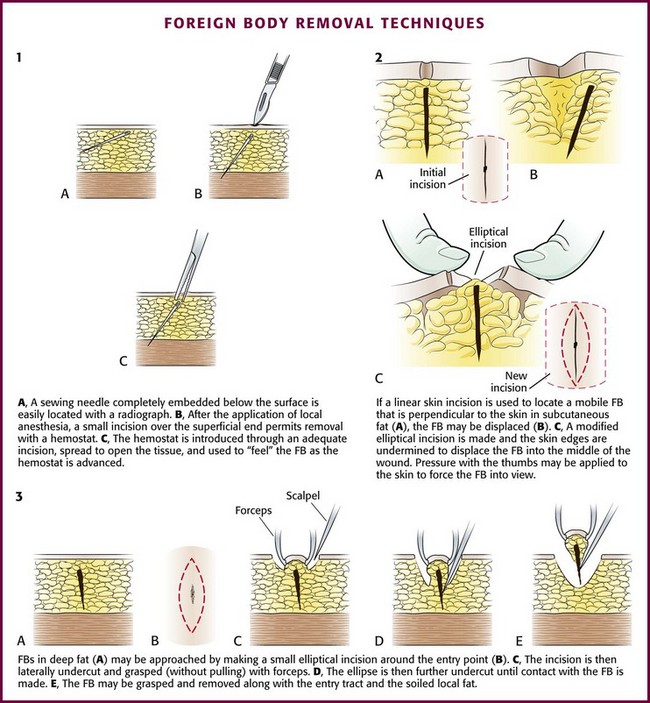
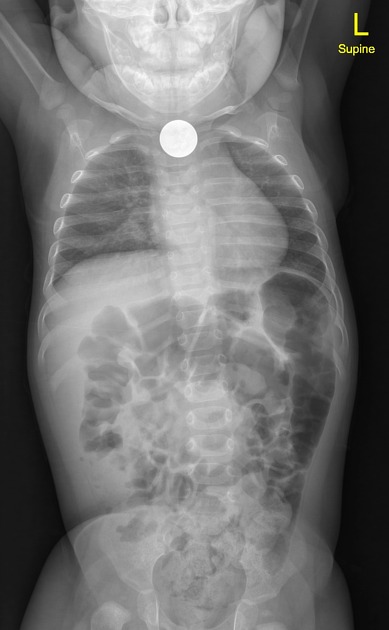
Foreign body cases are common across emergency, outpatient, and surgical settings—and they’re also a frequent source of denials when coding guidelines aren’t followed. Accurate coding depends on location, intent, encounter type, documentation, and whether removal was performed. Below is a clear, coder-friendly breakdown of guidelines and tips to help you code foreign body cases correctly and confidently.
What Is Considered a Foreign Body?
A foreign body is any object that enters the body and does not naturally belong there. Examples include:
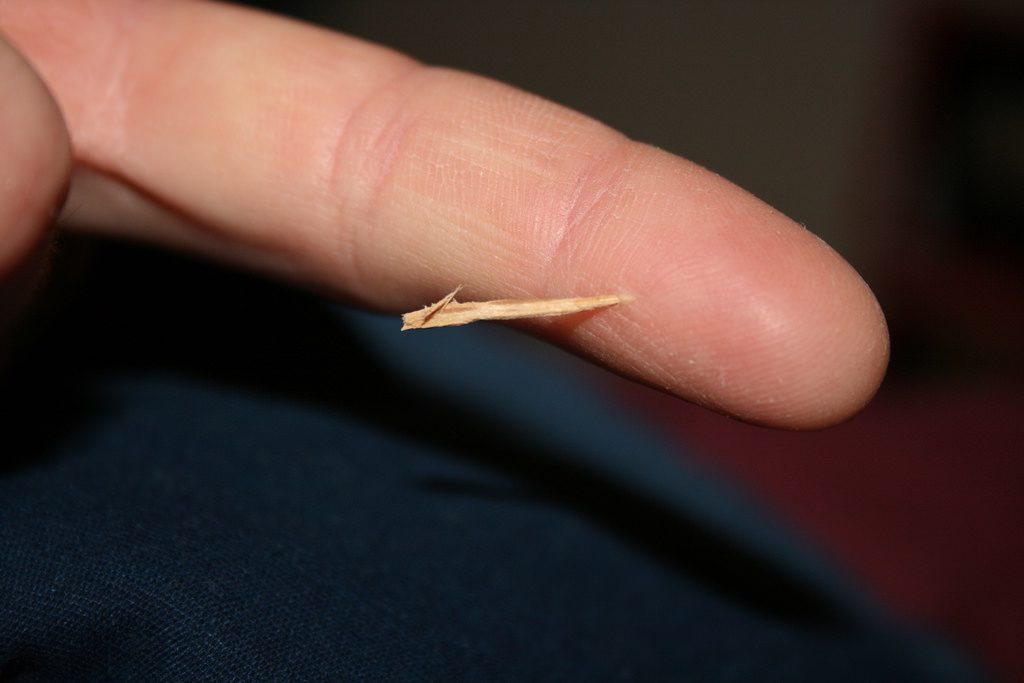
- Glass, metal, wood, splinters
- Coins, batteries, toys (common in pediatrics)
- Food bolus impaction
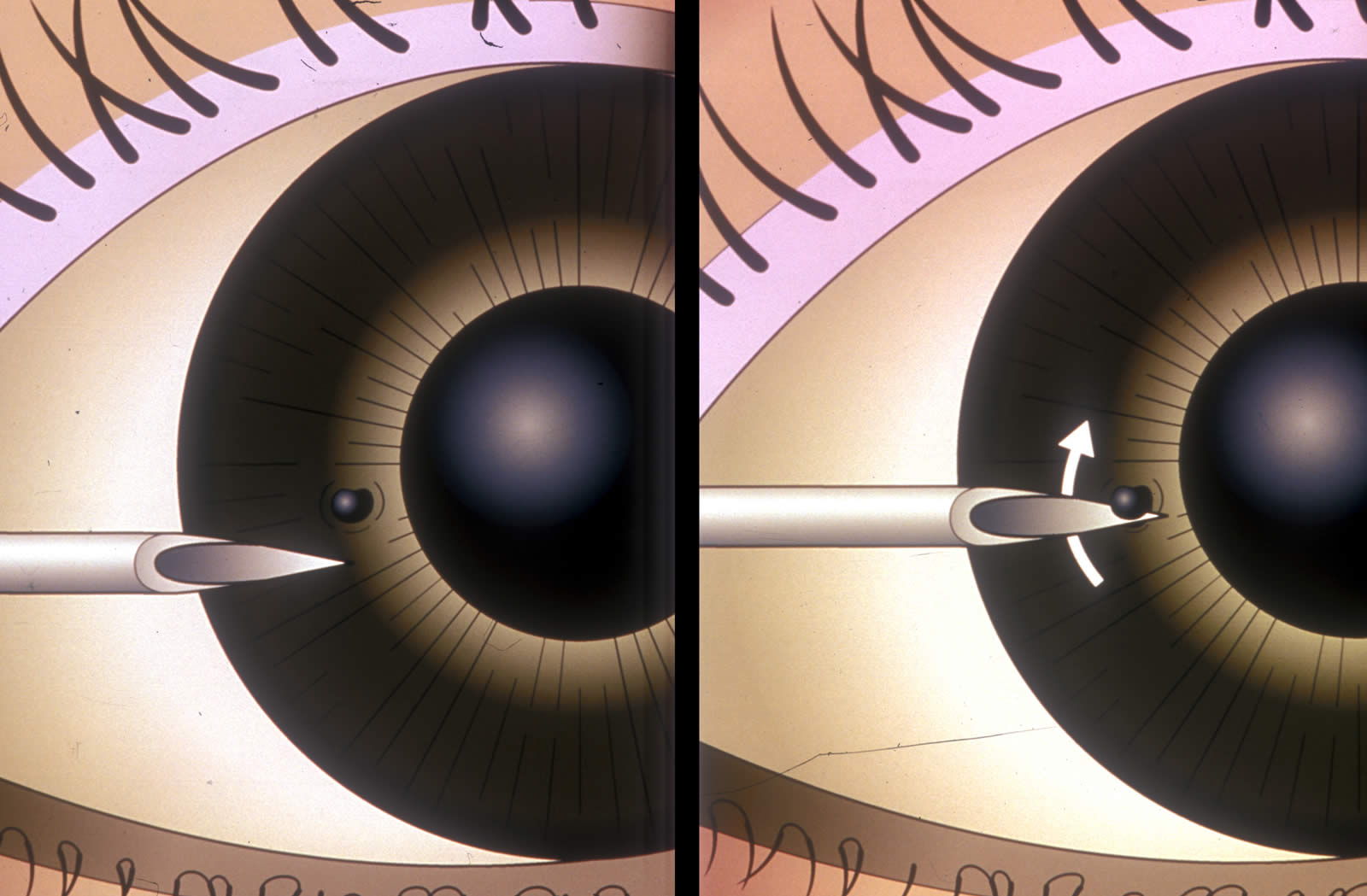
- Contact lenses or debris in the eye
- Retained surgical items
ICD-10-CM Diagnosis Coding Guidelines
Use the Correct Injury Chapter Code
Most foreign body diagnoses come from Chapter 19 (Injury, Poisoning, and Certain Other Consequences of External Causes) in ICD-10-CM.
Key points:
- Select the code based on anatomical location
-
Choose the correct 7th character:
- A – Initial encounter (active treatment)
- D – Subsequent encounter
- S – Sequela
Example:
- Foreign body in right cornea, initial encounter → T15.01XA
Don’t Forget External Cause Codes (When Applicable)
External cause codes explain how the foreign body occurred.
Common external cause scenarios:
- Accidental ingestion
- Work-related injury
- Household accident
Tips:
-
These codes are not mandatory for reimbursement, but are often required for:
- Emergency department visits
- Trauma cases
- Pediatric encounters
- State or payer-specific reporting
Always check payer and facility guidelines.
Document Intent Carefully
Intent affects code selection:
- Accidental
- Intentional self-harm
- Assault
- Undetermined
Never assume intent—use provider documentation only.
CPT Coding for Foreign Body Removal

Code Removal Only When Documented
A foreign body diagnosis code alone is not enough to bill a removal procedure.
To report a removal CPT code:
- The provider must actively remove the object
- Documentation must describe method, depth, and location
Examples from CPT:
- Simple removal from skin → 10120
- Complicated removal → 10121
- Removal from ear or nose (varies by approach and complexity)
Simple vs. Complicated Matters
Coders must distinguish between:
- Simple: superficial, minimal dissection
- Complicated: deeper tissue, imaging guidance, layered closure, or extensive dissection
If complexity is unclear, query the provider.
E/M Services May Be Separately Reportable
An E/M visit may be billed in addition to foreign body removal if:
- A significant, separately identifiable evaluation was performed
- Proper documentation supports medical decision-making
Modifier -25 may be required.
Special Situations to Watch
Retained Surgical Foreign Bodies
- Code as a complication, not a new injury
- Often require combination codes or complication-specific sequencing
Foreign Body Without Removal
-
If the object is not removed, report:
- The appropriate diagnosis code
- Any imaging or observation services performed
- Do not report a removal CPT code
Imaging Use
- Imaging may support diagnosis or localization
- Ensure documentation supports medical necessity
- Follow bundling and modifier rules carefully
Common Coding Mistakes to Avoid
- Reporting removal CPT codes without documentation
- Using incorrect 7th characters
- Omitting external cause codes when required
- Assuming intent
- Confusing simple vs. complicated removals
Pro Tips for Clean Claims
- Always verify laterality
- Match the diagnosis location with the procedure location
- Review payer-specific policies
- Query when documentation lacks detail
- Confirm global period rules for minor procedures
Foreign body coding requires attention to detail, documentation, and intent. When guidelines are followed—and removal complexity is properly supported—claims are far more likely to process cleanly and withstand audits.
Frequently Asked Questions About Foreign Body Coding
What ICD-10-CM codes are used for a foreign body in a natural orifice?
Categories T15 to T19 cover foreign bodies on the external eye, in the ear, nose, respiratory tract, alimentary tract and genitourinary tract. For example, T15.01XA is a foreign body in the cornea of the right eye, initial encounter.
How is a splinter or glass in the skin coded?
Code it as an open wound with foreign body of the specific site, or as a superficial foreign body when the documentation describes a superficial injury, using the correct laterality and seventh character.
What is the difference between 10120 and 10121?
10120 is incision and removal of a simple subcutaneous foreign body. 10121 is for a complicated removal, so the note must describe the added complexity.
What CPT code is used to remove a foreign body from the ear?
69200 reports removal of a foreign body from the external auditory canal without general anesthesia. 69205 is used when general anesthesia is required.
How is a retained foreign body fragment coded?
When a fragment is known to remain in the body after the injury, add a Z18 code for the type of retained fragment if it is documented.
Foreign Body ICD-10 and CPT Codes: Quick Reference
- Foreign body in esophagus: subcategory T18.1
- Foreign body in throat (pharynx): subcategory T17.2
- Swallowed foreign body, site not specified: T18.9XXA for the initial encounter
- Retained foreign body fragments: category Z18
- Removal of foreign body from ear canal, without general anesthesia: 69200
- Removal of foreign body from the eye: 65205 for a superficial conjunctival foreign body, and 65220 or 65222 for a corneal foreign body without or with a slit lamp
- Removal of foreign body from the foot: 28190 subcutaneous and 28192 deep
- Removal of foreign body from subcutaneous tissue by incision: 10120 simple and 10121 complicated