Medical coding for chemo requires specific attention to detail to ensure accurate reimbursement, compliance, and proper documentation.

Medical coding for chemo requires specific attention to detail to ensure accurate reimbursement, compliance, and proper documentation.
When it comes to medical coding and mechanical failure, it can refer to issues related to medical devices or equipment during treatment.
When to use unlisted CPT codes and unspecified ICD-10-CM codes, what documentation payers expect, and how to avoid denials.
This article is a guide to medical coding complications, addressing aspects such as terminology, relevant coding systems, and best practices.
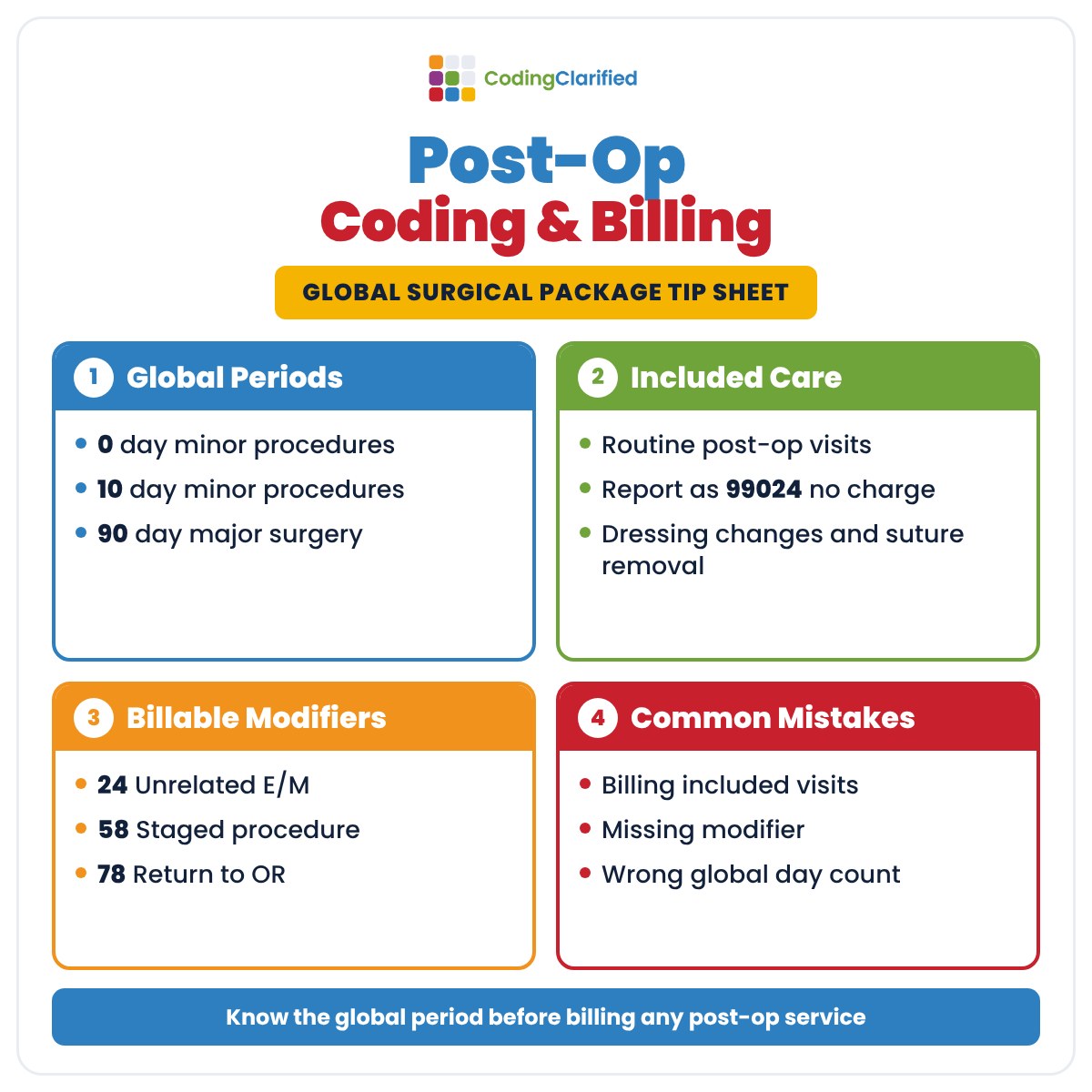
Proper medical coding for post-op procedures ensures that healthcare providers are reimbursed while also meeting compliance standards.
For healthcare providers, accurate medical coding for pre-op visits are crucial for proper reimbursement and compliance.
In medical coding, “double dipping” refers to the practice of coding the same service more than once without clinical documentation support.
This article provides an overview of guidelines for avoiding medical coding and fraud and explores the potential consequences.
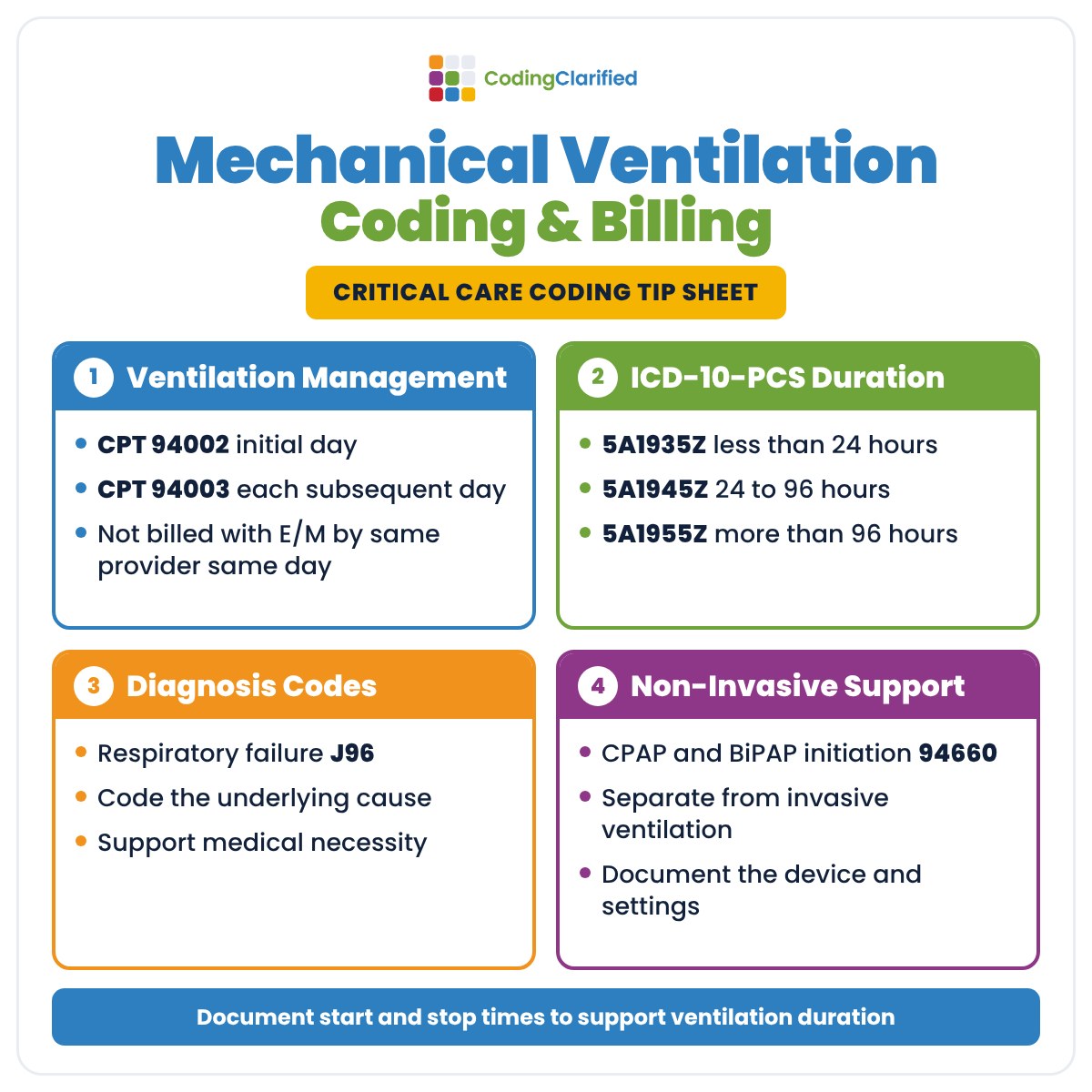
Accurate medical coding for mechanical ventilation services are essential for proper reimbursement and compliance with payer requirements.
Given its complexity and precision, proper medical coding for Mohs surgery are essential for accurate reimbursement and compliance.
Understanding the distinction between medical coding aftercare and follow-up is essential for accurate documentation and appropriate billing.
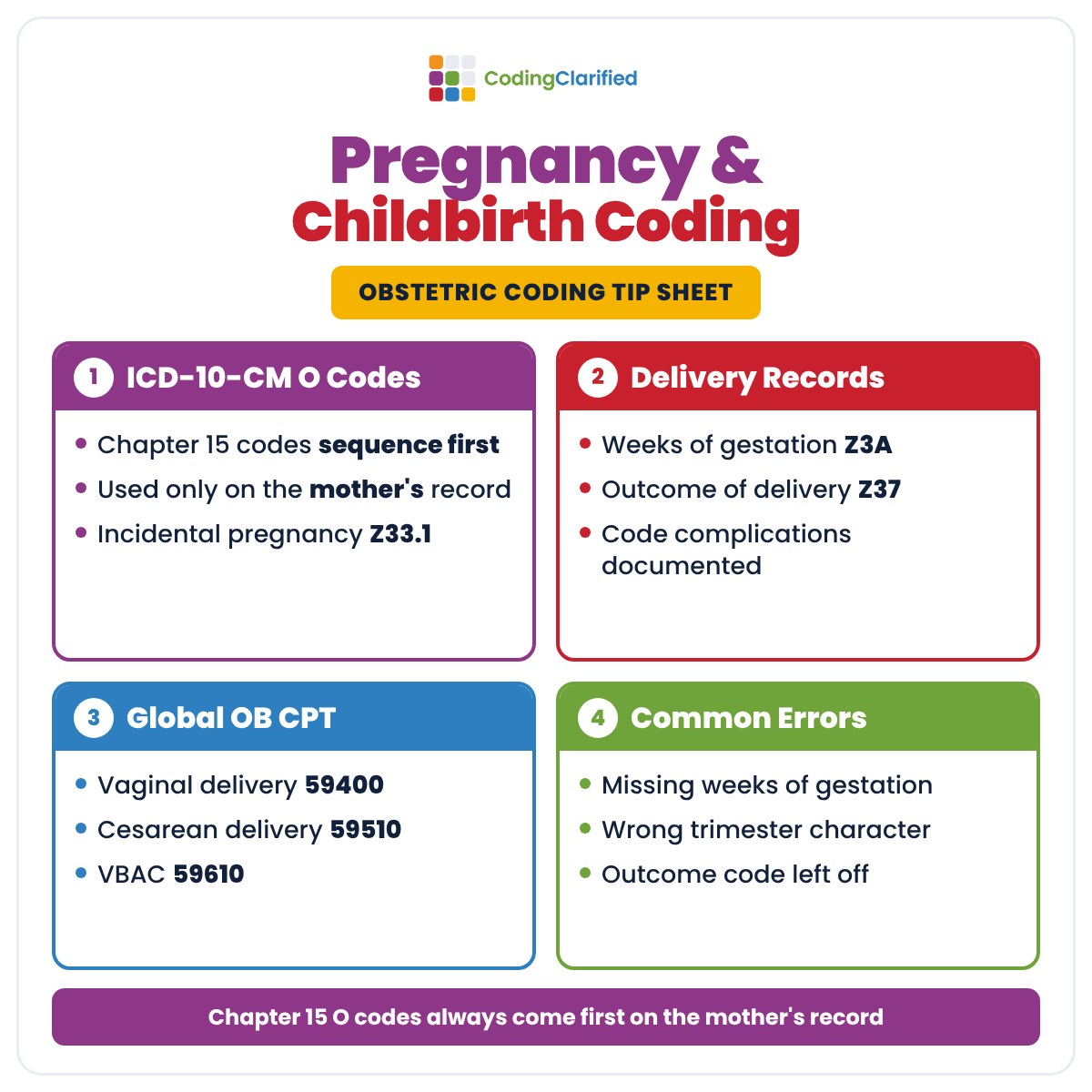
Medical coding for pregnancy and childbirth requires knowledge of both medical procedures and the unique aspects of maternal and fetal care.
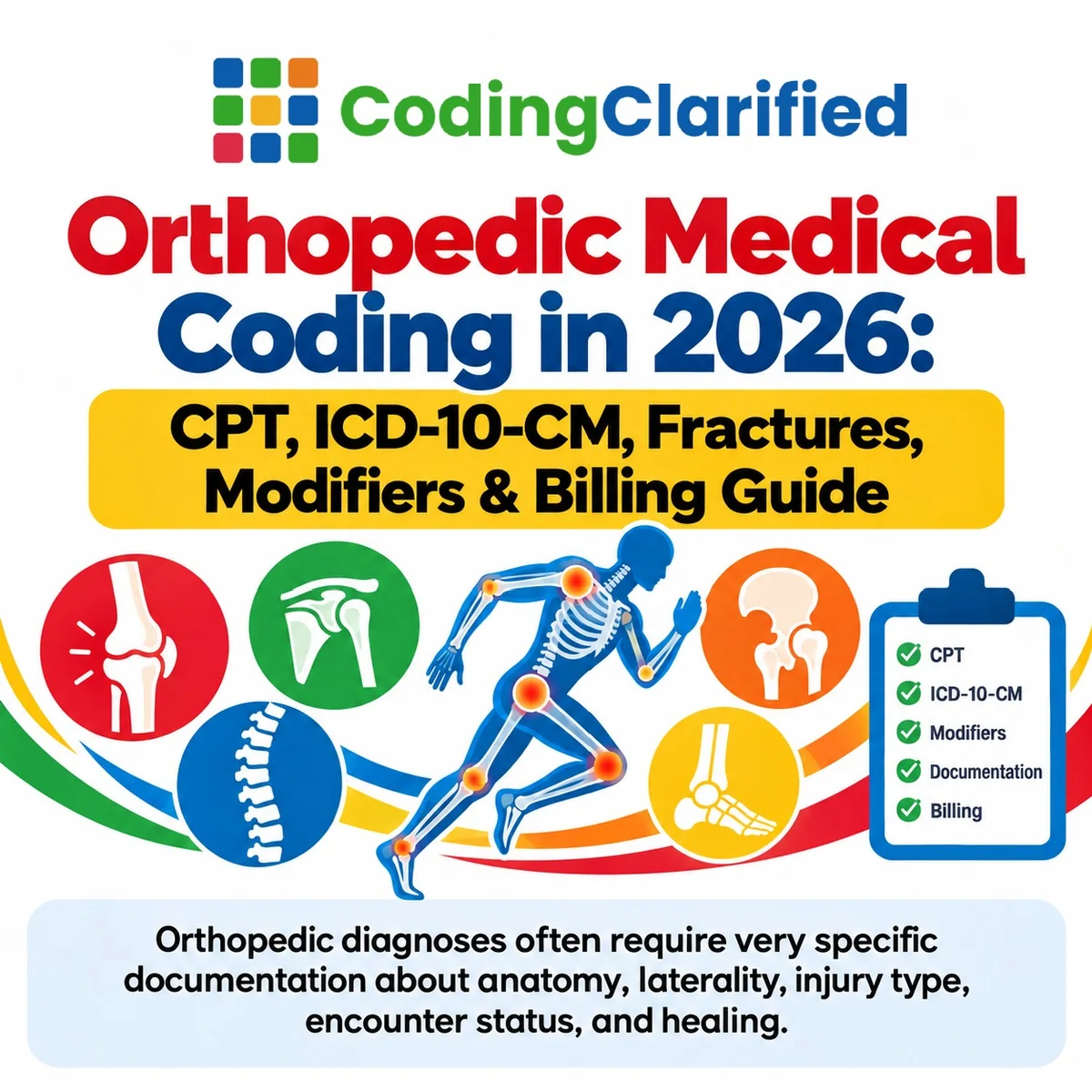
Ensuring correct medical coding for orthopedics not only improves the accuracy of reimbursement but also helps in reducing denials and audits.
Proper medical coding for workmans comp claims are essential to ensure that healthcare providers are reimbursed appropriately.
Two practices that often lead to confusion and potential compliance issues are Medical Coding Bundling and Upcoding.
Learn SDOH coding guidelines, ICD-10 Z codes, and billing requirements for documenting social determinants of health in medical records.
What Are HCPCS J Codes in Medical Coding? HCPCS J codes are a special set of alphanumeric codes used in medical billing to report drugs and biologicals
Understanding medical coding for labs and following billing guidelines is essential for compliance and reimbursement accuracy.
Let’s explore billing and medical coding for HCPCS medical supplies, with an emphasis on ensuring accurate reimbursement.
This blog outlines the key guidelines for billing and medical coding for dialysis, including codes, requirements, and billing challenges.
Medical Coding for a Stroke, a medical emergency with significant consequences, requires precise and accurate coding for proper billing.
Accurate medical billing and medical coding for hepatitis are essential for ensuring proper reimbursement and compliance with regulations.
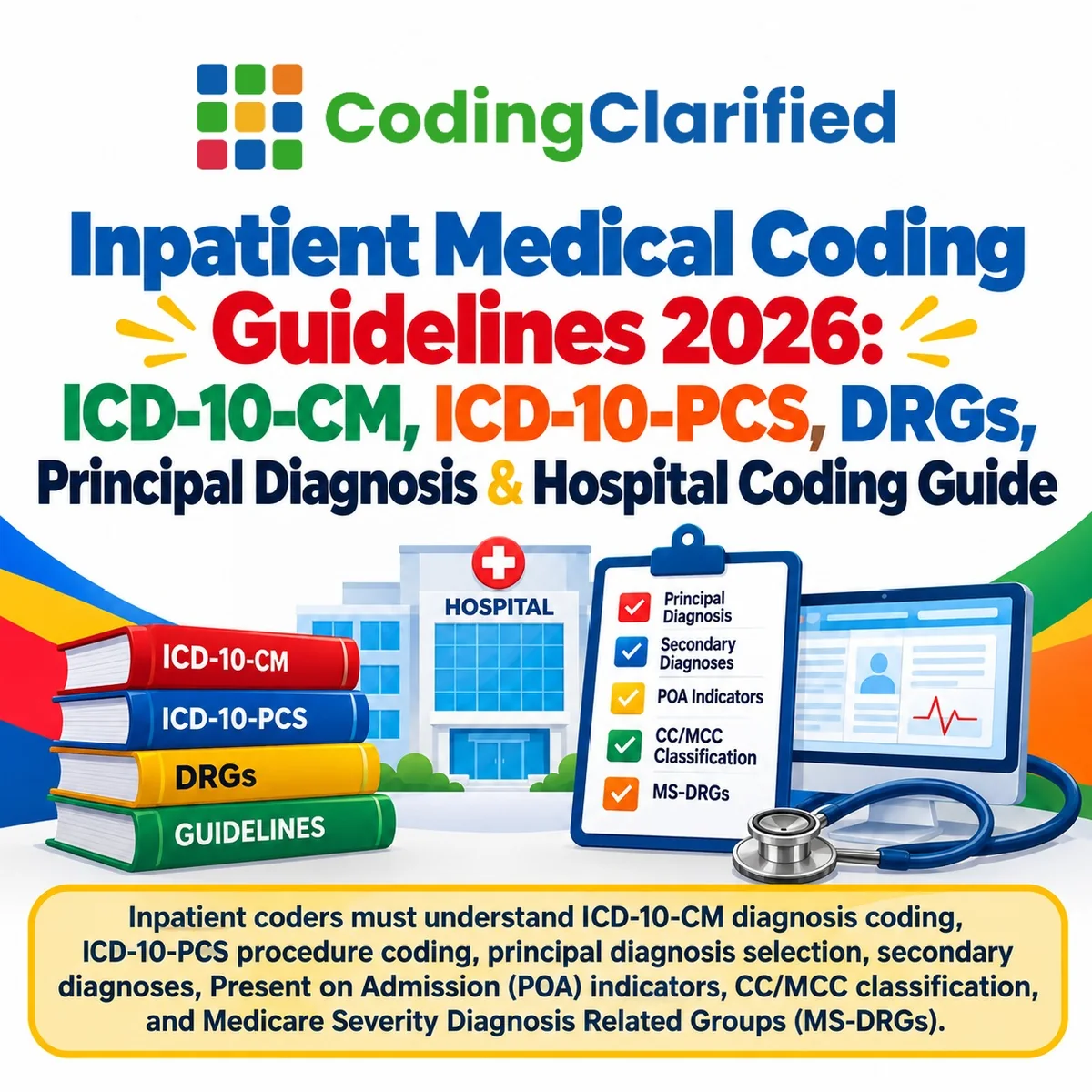
Medical Coding for Inpatients is a critical process in healthcare that ensures accurate and timely billing for services rendered to patients.
Medical coding for outpatients is a fundamental aspect of the billing process that ensures healthcare providers are reimbursed accurately.
For patients with multiple chronic conditions, medical coding and casual relationships such as diabetes, hypertension, and CKD can be complex
Proper billing and medical coding for Chronic Kidney Disease are essential to ensure accurate diagnosis, treatment, and reimbursement.
Proper billing and medical coding for hypertension are vital for accurate diagnosis, treatment planning, and reimbursement purposes.
Proper medical coding for anemia is crucial for accurate reimbursement, compliance with regulations, and maintaining a high standard of care.
Chronic condition coding: how to code ongoing diseases with ICD-10-CM, link complications, and support care management billing.
Medical coding for FQHCs follows the same general principles as in other healthcare settings, but there are specific nuances to keep in mind.