
Key ICD-10-CM Guidelines for Infectious Diseases
Code the Confirmed Diagnosis
- Only code confirmed infections when documented by the provider
- Terms like “suspected” or “rule out” are not coded as confirmed in outpatient settings
Identify the Causative Organism
- Many conditions require an additional code to identify the organism
- Example:
- Pneumonia due to Streptococcus → code both condition + organism (if not included)
Use Combination Codes When Available
- ICD-10-CM often provides combination codes that include:
- Disease + organism
- Disease + manifestation
Example:
- J10.0 → Influenza with pneumonia (no additional code needed)
Understand “Code First” and “Use Additional Code” Notes
- These instructional notes are critical:
- Code First → underlying condition must be sequenced first
- Use Additional Code → add organism or manifestation code
Sepsis Coding Rules (High Priority Topic)
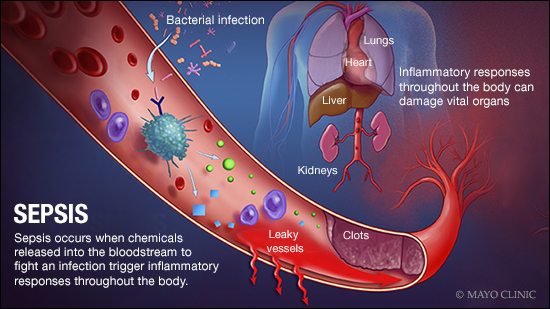
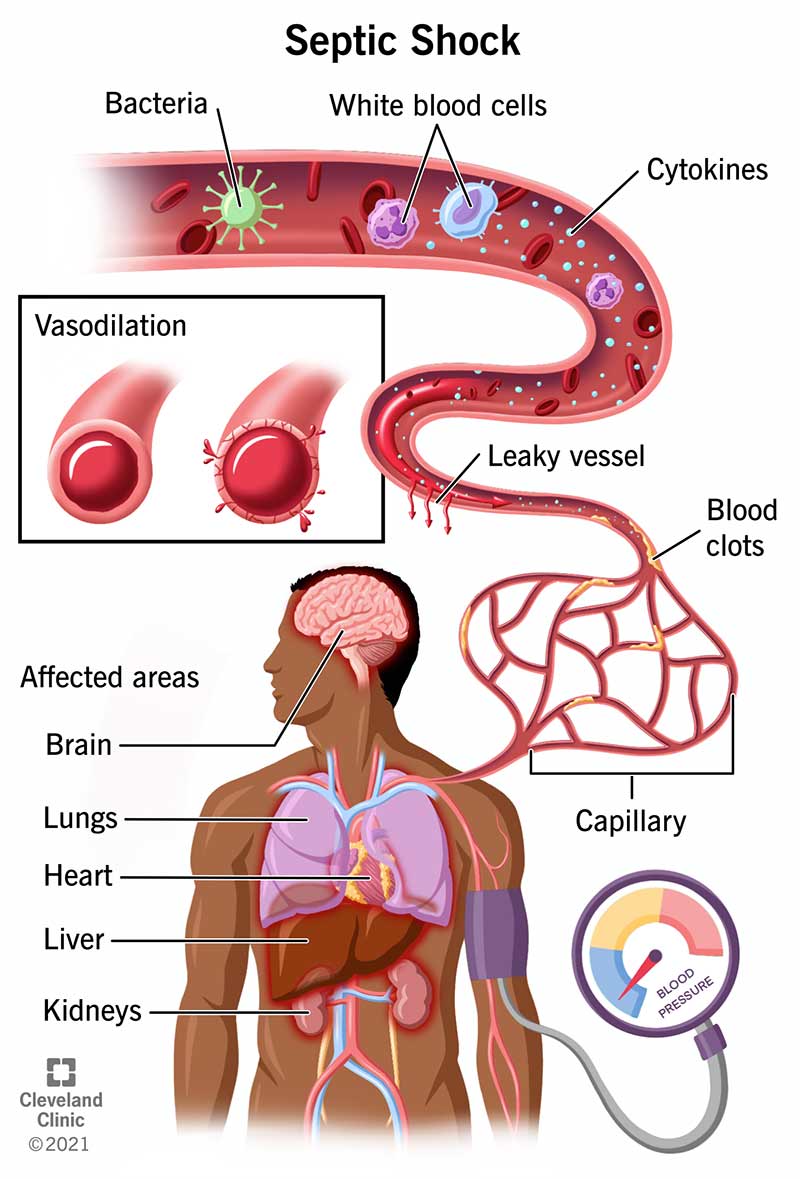
Sepsis coding is heavily tested on the CPC exam.
Key rules:
- Code underlying systemic infection first (A40–A41)
- Add codes for:
- Severe sepsis (R65.2-)
- Organ dysfunction (if documented)
- If septic shock is present → assign R65.21
Acute vs. Chronic Infections
- Always code acute conditions first when both acute and chronic are documented
- Follow guideline: “acute and chronic” → code both, acute first
Acute vs Chronic in Medical Coding
Medical Coding for Chronic Conditions
HIV Coding (Another CPC Favorite)
- B20 → confirmed HIV disease
- Z21 → asymptomatic HIV
- Once diagnosed with B20, the patient is always coded as B20 in future encounters
Antibiotic Resistance
- Use Z16 codes to capture drug resistance when documented
- Important for risk adjustment and clinical accuracy
Practical Coding Tips for Infectious Diseases
Always Code From Documentation — Not Assumptions
- Never assume bacterial vs viral
- The provider must document it clearly
Watch for Manifestations
- Example:
- Diabetes with infection
- Postprocedural infections
- These often require multiple codes or sequencing rules
What Is a Manifestation Code in Medical Coding
Know When Symptoms Are NOT Coded
- Do not code symptoms when:
- They are integral to the diagnosis
- Example:
- Fever with sepsis → do not code fever separately
Medical Coding Signs & Symptoms in Diseases
Pay Attention to Laterality and Site
- Skin infections, abscesses, cellulitis → require specific site coding
Read the Entire Note
- Infectious disease details are often buried in:
- Lab results
- Assessment/Plan
- Culture reports
Common Infectious Disease Coding Scenarios
Scenario 1: Cellulitis of Right Lower Leg
- ICD-10-CM: L03.115
- If organism identified → add additional code
Scenario 2: UTI Due to E. coli
- N39.0 → UTI
- B96.20 → E. coli as cause
Scenario 3: Sepsis Due to Pneumonia
- A41.9 → Sepsis
- J18.9 → Pneumonia
- Sequence depends on documentation and guidelines
CPC Exam Tips for Infectious Disease Coding
Focus on the “Real Ask”
- Is the question asking for:
- The infection?
- The organism?
- The complication?
Follow the Coding Process
Your step-by-step workflow:
- Identify the diagnosis
- Look up in the Alphabetic Index
- Verify in the Tabular List
- Apply all notes (Includes, Excludes, Code First, etc.)
Watch for Tricky Wording
- “With” → implies a relationship in ICD-10-CM
- “Due to” → indicates causation
Eliminate Wrong Answers Strategically
- Remove options that:
- Don’t match the site
- Ignore sequencing rules
- Miss organism coding
Time Management Strategy
- Infectious disease questions can be detailed
- If it’s long → flag it and return later
Memorize High-Yield Topics
Focus on:
- Sepsis
- HIV
- Pneumonia
- UTIs
- Postprocedural infections
Coding Clarified Final Takeaway for CPC Students
Infectious disease coding is all about precision and guideline mastery. If you:
- Follow sequencing rules
- Identify organisms correctly
- Apply “code first” and “use additional code” notes
- Avoid assumptions
You will not only pass the CPC exam—you’ll code confidently in real-world scenarios.