What Coders Need to Know
The April 1, 2026, ICD-10-CM update is now in effect, and while it may appear minor at first glance, it carries important implications for coding accuracy, compliance, and reimbursement.
Unlike the larger October annual updates, the April release is considered a mid-year update, and this year’s changes are subtle—but impactful.
Key Takeaway: No New Codes—But Important Changes
One of the most important things to understand:
-
No new ICD-10-CM diagnosis codes were added
-
No codes were deleted or revised
-
No updates to the Official Coding Guidelines
However, this does not mean there are no changes.
Instead, the April 2026 update focuses on:
-
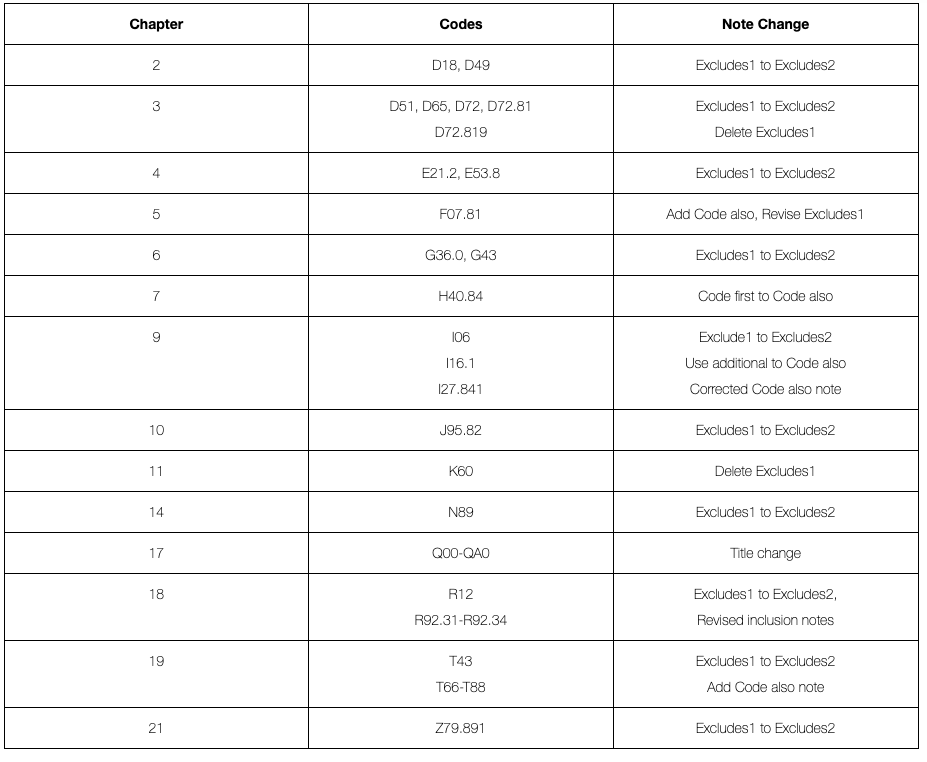
Instructional note changes
-
Tabular list updates
-
Clarifications that affect code assignment and sequencing
Why This Update Still Matters
Even without new codes, these updates directly impact how coders report diagnoses.
Excludes 1 → Excludes 2 Changes
Several Excludes1 notes were converted to Excludes2 notes.
What This Means:
-
Excludes 1 (old rule): Codes cannot be reported together
-
Excludes 2 (new rule): Codes can be reported together when appropriate
This is a major reporting change, not just a wording update.
If coders continue following old habits, they may:
-
Miss valid code combinations
-
Underreport conditions
-
Impact risk adjustment and reimbursement
Two examples:
- Drug Poisoning (April 2026 update): Several Excludes 1 notes for category T43 (Poisoning/adverse effect of psychotropic drugs) were changed to Excludes 2, allowing them to be coded alongside appetite depressants (T50.5-), sedatives (T42.3-), and psychodysleptics (T40.7-T40.9-).
- Drug Use/Addiction (April 2026 update): The Excludes 1 note restricting methadone use (F11.9-, F11.2-) from being reported with Z79 (long-term medication use) was removed.
Instructional Note Revisions
Updates include changes to:
-
Inclusion notes
-
Exclusion notes
-
Code-first/use additional code instructions
These revisions can affect:
-
Code sequencing
-
Principal diagnosis selection
-
Combination code usage
Even small note changes can alter how a case is coded.
Tabular & Index Clarifications
The April addenda include updates to:
-
Alphabetic Index entries
-
Tabular List instructions
These changes improve clarity but require coders to:
-
Recheck familiar codes
-
Avoid relying on memory alone
Effective Dates You Must Know
-
Effective Date: April 1, 2026
-
Applies To: Encounters from April 1 – September 30, 2026
How This Differs from the October 2026 Update
It’s important to separate the two:
October 1, 2025 (FY 2026 Major Update)
-
Hundreds of new diagnosis codes added
-
Code revisions and deletions
-
Major clinical specificity improvements
April 1, 2026 (Mid-Year Update)
-
No new codes
-
Focus on instructional and reporting changes
Medical Coding and ICD-10-CM Coding Guidelines
Coding Tips for April 2026
Review the Addenda—Do Not Skip It
Even if there are no new codes, note changes can override old coding habits.
Watch Excludes Notes Carefully
Always verify:
-
Can these conditions now be coded together?
-
Has an Excludes1 been downgraded to Excludes2?
Medical Coding ICD-10-CM Excludes 1
Medical Coding ICD-10-CM Excludes 2
Stop Coding from Memory
This update reinforces a key rule:
Always verify in the Tabular List—even for “common” codes.
Educate Your Team
This is a high-risk update for:
-
Audits
-
Denials
-
Risk adjustment accuracy
Make sure:
-
Coders
-
Auditors
-
CDI specialists
All are aware of these subtle changes.
Download the Official CMS Files
Coders should always work from the official addenda and files released by CMS to ensure compliance. CMS announces 80 new ICD-10-PCS codes (PDF),
Why This Matters for HCC, Auditing, and CDI
These updates can impact:
-
Risk Adjustment (HCC coding)
-
Clinical Documentation Improvement (CDI)
-
Audit findings and compliance reviews
Even a small change in code pairing rules can:
-
Change RAF scores
-
Affect reimbursement
-
Trigger audit risk
Our Final Thoughts
The April 2026 ICD-10-CM update is a perfect example of why medical coding requires constant attention to detail.
There may be:
-
No new codes
-
No major announcements
But there are real changes that affect how you code every day.
Bottom line:
Small updates can create big compliance risks if they’re overlooked.